Guide to Detecting and Preventing Scale Buildup in Commercial Settings

Commercial and industrial operations rely heavily on water for heating, cooling, manufacturing, and sanitation. When your facility’s water supply contains high levels of dissolved minerals, scale buildup becomes an inevitability rather than a possibility. If you want to increase production efficiency, lower utility bills, and protect your multi-million dollar infrastructure, you must eliminate scale buildup.
This guide outlines how scale (also known as limescale) forms, its financial consequences, methods of elimination, and how you can prevent scale buildup from ever forming.
What Is Scale Buildup and Why Does It Happen?
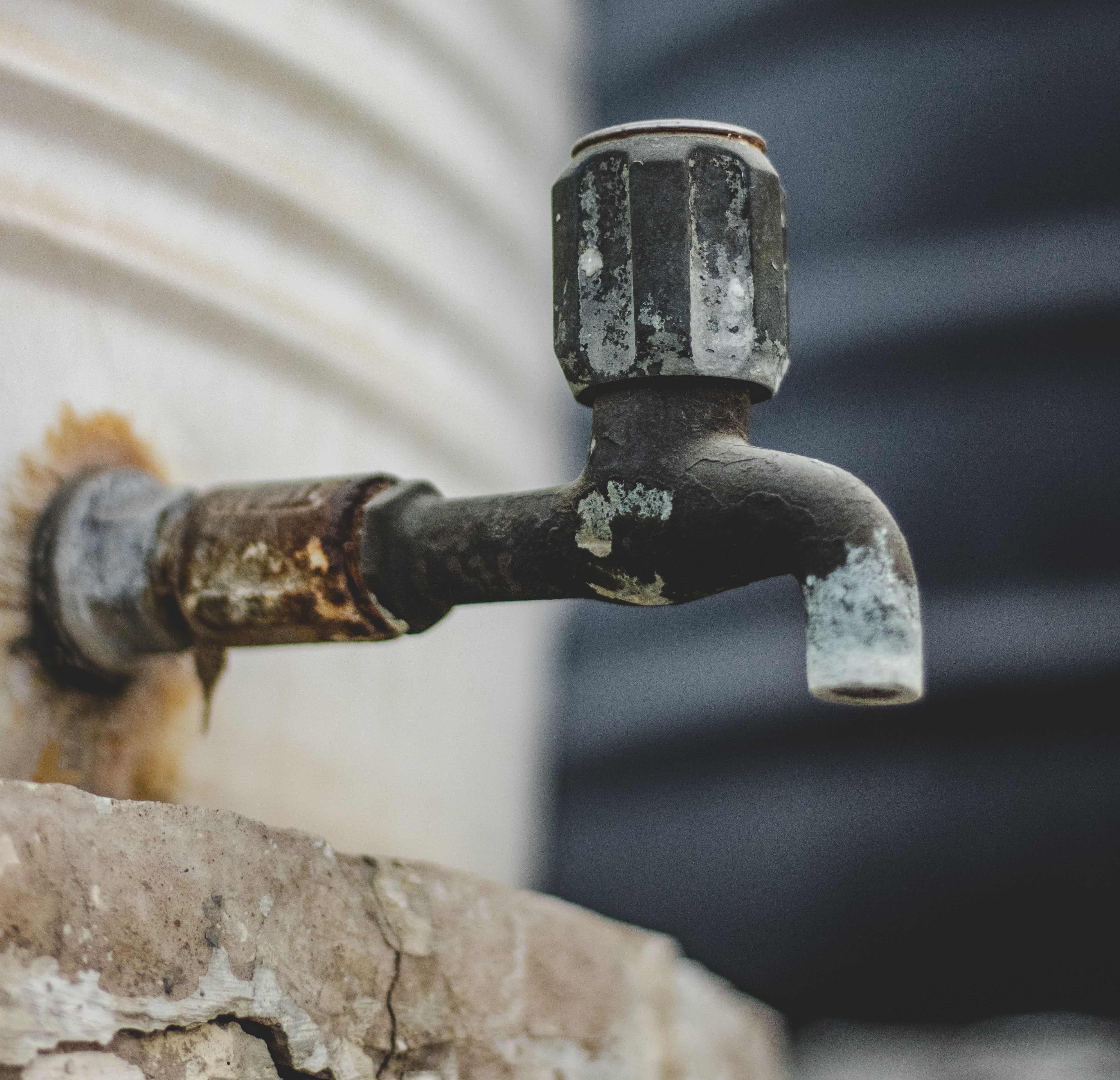
Scale refers to the hard, crystalline mineral deposits that precipitate out of water and adhere to the internal surfaces of pipes, valves, boilers, and heat exchangers. You’ve probably seen this off-white crust in hotels on faucets and shower heads. If you aren’t treating your facility’s water, that same crust is developing in your building’s pipes and appliances.
The Chemical Composition of Scale
Scale is a solid accumulation formed by specific minerals dissolved in your water supply. The primary culprit is calcium carbonate, though magnesium carbonate, calcium sulfate, and silica are also common.
Water absorbs these minerals as it filters through limestone and chalk deposits in the ground before entering the municipal or well system. The result is called hard water. When hard water enters a facility, chemical equilibrium shifts cause these dissolved minerals to solidify.
Primary Reasons for Scale Formation
Several environmental factors within commercial water systems accelerate the transition of dissolved minerals into solid scale.
- Temperature Increases: Unlike most solids, which become more soluble as water temperatures rise, calcium carbonate becomes less soluble. As a result, heating elements, boiler tubes, and heat exchanger plates are the most vulnerable zones for rapid scale accumulation.
- Evaporation: In cooling towers and evaporative condensers, pure water evaporates into the atmosphere, leaving the dissolved minerals behind. This continuously increases the concentration of minerals in the remaining water until they surpass saturation limits and precipitate.
- pH Shifts: An increase in water pH decreases the solubility of calcium and magnesium ions, triggering faster precipitation.
- Pressure Drops: Sudden drops in system pressure can cause dissolved carbon dioxide gas to escape, raising the pH of the water and encouraging mineral deposition.
How to Detect Scale Buildup in Commercial Operations
Spotting scale on your sinks or faucets is easy, but it becomes trickier when it’s hidden in your equipment. If you catch it early, you can intervene before catastrophic equipment failure occurs.
Because scale often forms hidden from view inside closed loops and piping networks, detection requires a mix of visual inspections and performance monitoring.
Direct Visual Indicators
The most obvious signs of scale can often be observed during routine visual inspections of water-using equipment.
- White, Chalky Residue: Look for visible crust on commercial dishwashers, faucets, and spray nozzles. This indicates hard water minerals are actively precipitating.
- Orifice Restricting Depositions: Inspect the internal surfaces of opened valves or pipe unions and look for a narrowing of the internal diameter due to concentric layers of mineral plating.
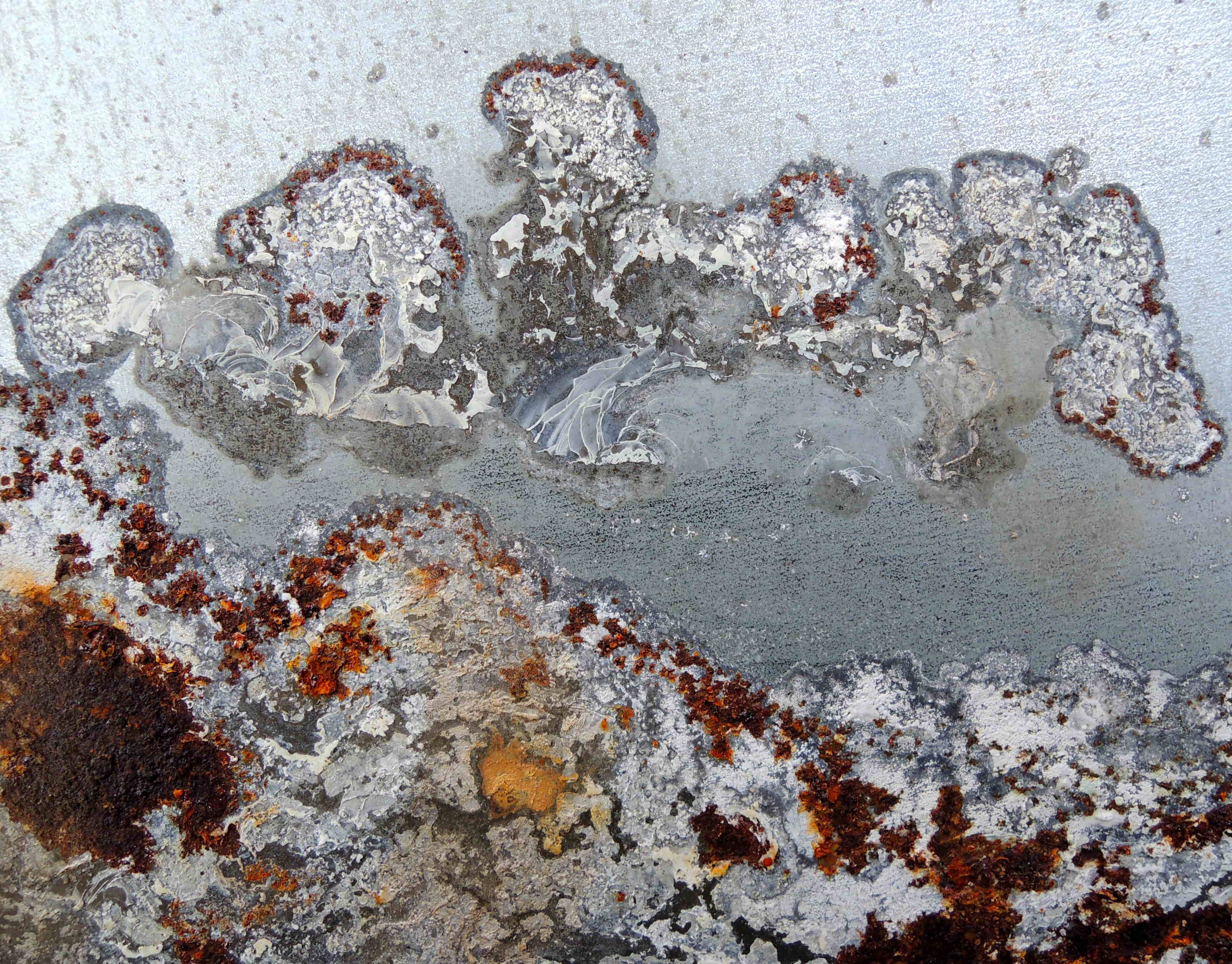
- Boiler Tube Coating: During annual boiler inspections, look for a uniform white or grey coating on the fireside or waterside of tubes. This confirms scale presence.
Indirect Operational Symptoms
When scale forms inside closed loops where visual checks are impossible, you must rely on performance data to detect its presence. Look for:
- Reduced Flow Rates and Increased Pressure: As scale constricts the interior volume of piping, pumps must work harder to move the same volume of water, resulting in higher pressure readings upstream and lower flow rates downstream.
- Loss of Thermal Efficiency: If a hot water heater or boiler takes longer to reach its target temperature, or if a cooling tower fails to drop water temperatures efficiently, scale is likely insulating the heat-transfer zones.
- Frequent Component Cycling: Thermocouples and sensors coated in scale read temperatures inaccurately, causing heating or cooling systems to cycle on and off more frequently than normal.
The Costly Impact of Scale on Commercial and Industrial Systems
The consequences of leaving scale unchecked extend far beyond aesthetics, directly impacting a business’s operational budget and bottom line. Mineral insulation forces systems to consume excess energy and subjects machinery to severe physical stress.
Exponentially Higher Energy Costs
Because scale has an incredibly low thermal conductivity, it acts as an insulating barrier between the heat source and the water. This means your facility must burn more fuel or draw more electricity to achieve the same temperature outcomes.
| Scale Thickness (Inches) | Estimated Energy Cost Increase (%) |
| 1/32 in. | 7% |
| 1/16 in. | 11% |
| 1/8 in. | 20% |
| 1/4 in. | 39% |
Premature Equipment Degradation
The mechanical and thermal stress caused by scale accumulation can dramatically shorten the operational lifespan of expensive capital assets.
In boilers, the insulating effect of scale causes the metal tubes to overheat because the water cannot cool them efficiently. This localized overheating leads to blistering, warping, and eventual tube ruptures.
In cooling loops, scale causes pump seals to wear out prematurely due to abrasive mineral particulates breaking free into the stream.
Costly Unscheduled Downtime
When systems fail due to mineral blockages or component burnouts, production stops completely.
For manufacturing plants, commercial laundries, and data centers, unexpected downtime translates directly into lost revenue. The emergency labor costs required to repair or replace scale-damaged equipment are significantly higher than planned maintenance costs.
Strategies for Eliminating Existing Scale
If your facilities already suffer from mineral accumulation, you must implement specific remediation strategies to restore system efficiency before establishing a preventative routine.
Chemical Descaling Protocols
Chemical cleaning involves circulating targeted acidic solutions through the fouled equipment to dissolve the mineral matrices.
Facility engineers typically use inhibited acids, such as sulfamic, citric, or phosphoric acid, which dissolve the calcium carbonate without aggressively attacking the underlying base metals.
The descaling process requires precise timing, neutralization steps, and proper disposal of the chemical effluent according to local environmental regulations, making it a complicated option that doesn’t address the root cause of scale buildup.
Mechanical Scale Removal
For heavy, dense, or localized deposits that chemicals cannot easily penetrate, you must resort to manual interventions.
Technicians use specialized tube cleaners, mechanical scrapers, and high-pressure hydro-blasting equipment to physically strip the scale from boiler tubes and heat exchanger plates.
Mechanical removal is labor-intensive, requires total system shutdown, and carries a risk of gouging or puncturing the equipment if performed improperly.
Preventing Scale via Commercial Water Softeners: The Premier Solution
While remediation treats the symptoms of hard water, long-term operational success requires a preventative approach centered on commercial water softening systems. Removing the problem minerals before they ever reach your equipment eliminates the need for recurring descaling procedures.
The Ion Exchange Process Explained
Commercial water softeners prevent scale formation by fundamentally altering the chemical composition of incoming water through a process called ion exchange.
Inside the softener tank are thousands of microscopic, negatively charged polystyrene resin beads. These beads are initially saturated with positively charged sodium or potassium ions. As hard water flows through the resin bed, the calcium and magnesium ions, which carry a stronger electrical charge than sodium, attract to the resin beads and displace the sodium ions. The water exiting the system is now “soft,” meaning the minerals capable of forming scale have been captured and replaced with non-scaling sodium ions.
The Regeneration Cycle
Once the resin beads are completely coated with calcium and magnesium, the system automatically initiates a regeneration cycle to restore its softening capacity. The system flushes the resin bed with a highly concentrated brine solution from an adjacent salt tank. The sheer volume of sodium ions in the brine forces the calcium and magnesium off the resin beads, sending the hardness minerals down the drain. The resin is then rinsed and prepared to resume the water softening process.

4 Commercial Benefits of Soft Water Integration
Investing in a commercial water softener provides comprehensive advantages across your entire operational framework, directly protecting your facility’s budget.
1. Maximum Thermal Efficiency and Utility Savings
By keeping heat transfer surfaces completely free of scale, water softeners ensure your boilers, cooling towers, and water heaters operate at peak efficiency. This keeps your monthly natural gas and electricity bills predictable and at their lowest possible baseline.
2. Extended Equipment Lifespan and Capital Protection
Soft water protects your infrastructure from internal decay, allowing you to defer major capital expenditures (CapEx) for equipment replacement. Boilers, chillers, commercial dishwashers, and laundry machines will meet or exceed their engineered lifespans.
3. Reduced Maintenance and Labor Costs
Eliminating the need for routine chemical descaling frees up your maintenance staff to focus on proactive facility upgrades rather than reactive firefighting. It also reduces your facility’s expenditure on expensive descaling chemicals and contracted mechanical cleaning services.
4. Decreased Chemical and Detergent Consumption
Hard water minerals actively neutralize cleaning agents and detergents, forcing facilities to use up to three times more chemicals to achieve proper sanitation.
With soft water, commercial laundries, hotels, and food processing plants can cut their soap, sanitizer, and detergent usage drastically, saving money while reducing chemical discharge into municipal sewers.
Partner with Robert B. Hill Co. for Water Solutions
Implementing the right water treatment strategy requires a partner with deep industry expertise and customized engineering capabilities. Every commercial facility features unique flow dynamics, water chemistry profiles, and space constraints that dictate the design of an effective water softening system.
Robert B. Hill Co. engineers custom-tailored commercial and industrial water softeners to match your specific operational demands. Whether your facility requires a single-tank setup for light commercial use or a multi-tank, twin-alternating configuration capable of delivering uninterrupted, high-volume soft water around the clock, we provide the hardware and expertise needed. By integrating a professionally engineered water softener into your facility, you eliminate scale buildup, optimize energy output, and preserve your infrastructure for years to come.
Contact us for a no-pressure consultation today.

![How Does a Commercial Water Softener Work? [Easy Guide]](https://hillwater.com/wp-content/uploads/2024/11/skid-mounted-water-softener-in-production-social-640x336.jpg.webp)